The most brutalist and efficient library by Sidebay Studio

The use of cutting-edge materials and manufacturing processes in the design and production of Elements_Efi has resulted in a product that is both durable and sustainable, reducing the environmental impact of its use.

A Webflow library infused with the brutalist way.

The use of cutting-edge materials and manufacturing processes in the design and production of Elements_Efi has resulted in a product that is both durable and sustainable, reducing the environmental impact of its use.
Launch your portfolio, agency, startup faster than ever

The use of cutting-edge materials and manufacturing processes in the design and production of Elements_Efi has resulted in a product that is both durable and sustainable, reducing the environmental impact of its use.
Just drag, drop and make your first MRR faster

The use of cutting-edge materials and manufacturing processes in the design and production of Elements_Efi has resulted in a product that is both durable and sustainable, reducing the environmental impact of its use.

claverito: youth leadership in an amphibious community

atmosphere of survival + collective resilience · claverito, iquitos, peruvian amazon

context

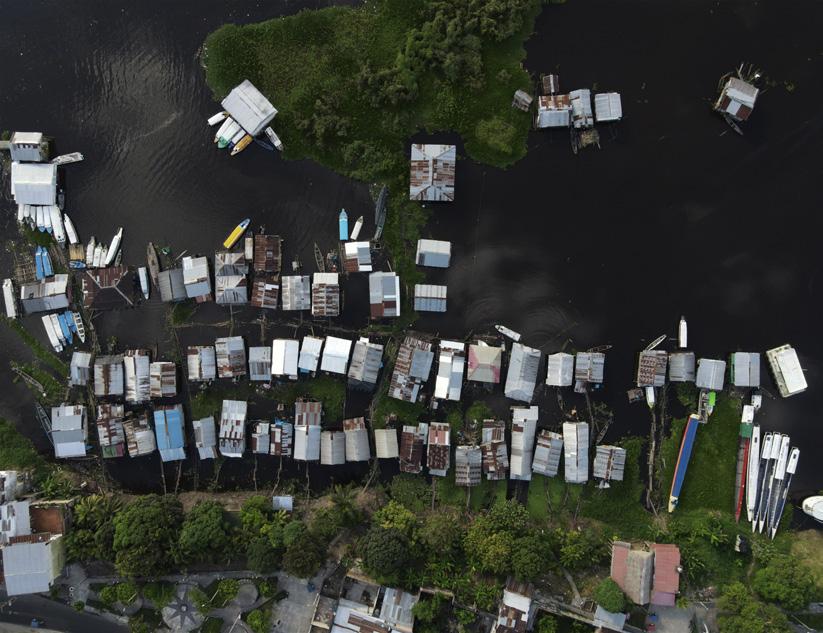
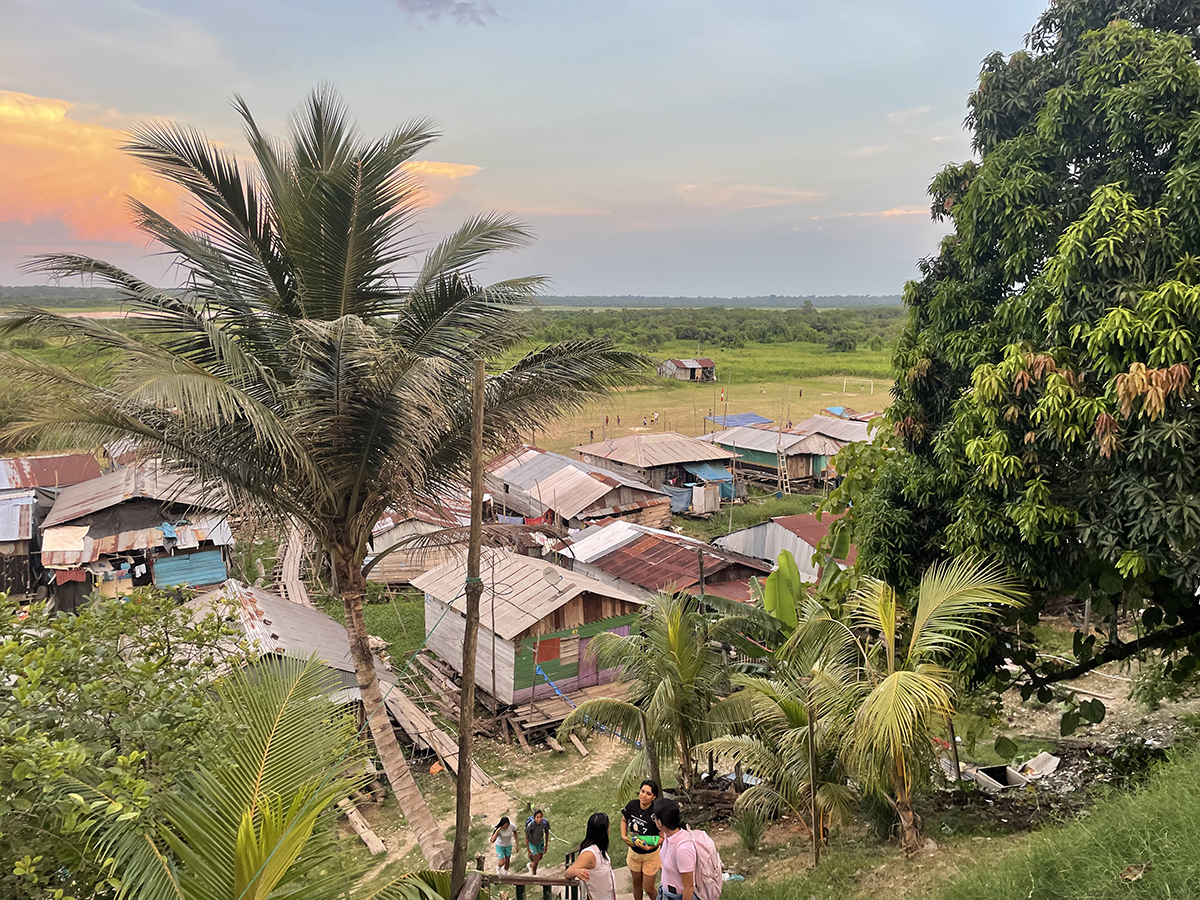
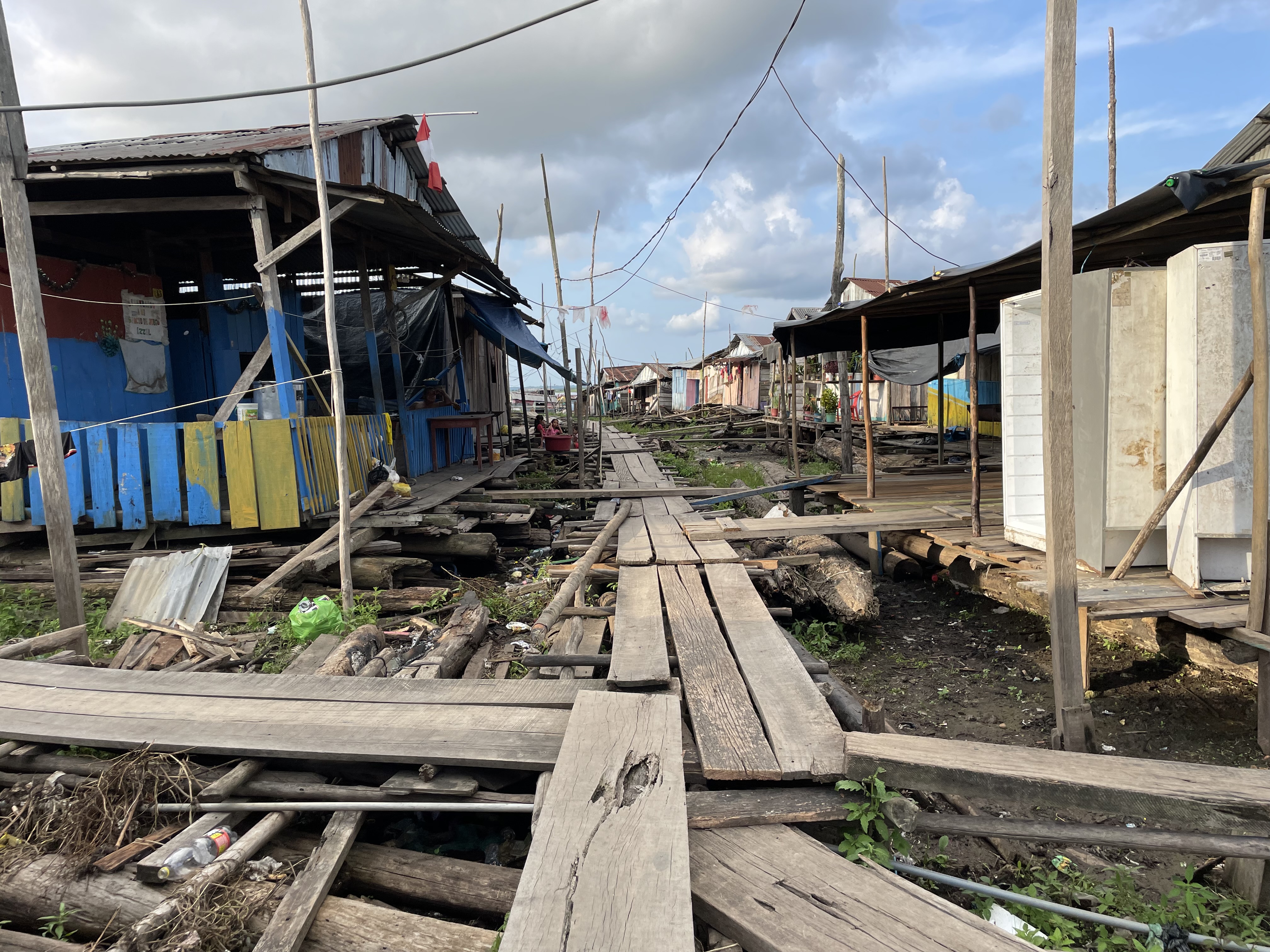
iquitos is the largest city in the peruvian amazon, where most residents live in poverty. claverito is an informal amphibious community formed through the displacement of indigenous families from the rainforest into urban conditions they cannot afford.

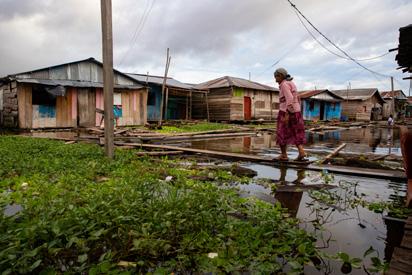
the community exists at the intersection of ecological and urban systems. its wellbeing is inseparable from the health of the surrounding river, plants, and animals. seasonal flooding, water scarcity, and lack of infrastructure shape daily life and the atmosphere of survival.

this project used a practice led, participatory research process that included:

  • design sessions with 30 residents across multiple households
  • two focus groups with community leaders and diverse participants
  • a literature review on informal settlements in latin america
atmospheric question

how can a community living in high risk amphibious conditions build structures of survival and collective resilience that remain in their hands after outside projects end.

rather than arriving with a predefined solution, the work asked what kind of support claverito needed to navigate the ongoing pressures of climate, poverty, and political neglect.

design requirements & barriers

through workshops and conversations, residents helped define the conditions any proposal had to respect:

  • rising water levels — avoid physical products. focus on practices or roles that require no maintenance.
  • limited digital access and skills — do not rely on phones, apps, or web tools.
  • varied literacy levels — prioritize visuals, demonstrations, and oral communication.
  • little available time due to work — keep participation simple and quick; avoid individual tasks.
  • different skill levels in the community — design for universal ease of use.
  • high risk natural conditions — choose approaches that cannot be damaged by water or weather.
  • written solutions may exclude some residents — combine minimal text with clear graphic support.
  • solution must work for everyone — focus on a shared system or role that builds collective agency.
design solution: youth education & leadership

how the idea emerged

through listening sessions and participatory workshops, residents identified two linked needs: young people needed opportunities to study and grow, and long standing leaders were exhausted and needed relief. connecting these insights led to a proposal centered on education, leadership, and intergenerational collaboration.

core idea

empower youth to become community leaders while supporting their education.

program structure

1. competitive selection
high school graduates apply for four social worker committee roles. selection is based on academic performance and community involvement.

2. incentives

  • scholarships for continued professional studies
  • a modest living stipend

3. community commitment
in exchange, selected youth:

  • facilitate workshops
  • connect residents with resources
  • support daily community needs
  • represent the community in government processes

4. intergenerational leadership model
one senior community leader joins the committee as a mentor who:

  • receives a small stipend
  • oversees funds
  • ensures accountability and continuity
  • transfers community knowledge to younger generations

purpose

  • strengthen local capacity
  • create long term leadership structures
  • support succession planning for retiring community leaders
  • build pathways for youth education and mobility
findings

the issues facing claverito were interconnected and too complex to reduce to a single problem. through the artistic research process, it became clear that the community did not need an externally imposed solution. they needed something that could remain in their hands after outside designers and researchers left.

many earlier projects had failed because there was no structure for continuity. the participatory work revealed that the community needed a role rather than a product. they needed someone who could connect residents to available resources, support collective problem solving, and strengthen local agency.

in other settings, this resembles the work of a social worker or community liaison. the question became whether this kind of role could emerge from within claverito and be shaped by the community’s own cultural, ecological, and relational realities.

identified themes

  • water scarcity as a major issue
  • equitable electricity costs
  • precarious walkways during heavy rain
  • financial struggles
  • limited access to technology
  • unreliable healthcare
  • communal savings and emergency preparedness
  • need for regular community meetings
  • leadership challenges
  • limited opportunities for youth
  • friction among neighbors
  • high risk zone designation
  • limited trust in government
  • opposition from city residents
  • transparency in communal funds
  • political disillusionment

together, these themes reinforced the need for a locally rooted role capable of weaving resources, relationships, and long term resilience.

current status

the proposal is currently at a concept and framing stage. the community and research team are seeking funding for further research, co design iterations, and a small scale pilot in claverito.

the goal is to test the social worker committee model in collaboration with residents, ensuring that any future implementation remains accountable to the community’s needs and rhythms.

Empowering an Amphibious Community: Mitigating barriers through participatory design for increasing access to public services in the Peruvian Amazon rainforest

Page 1 of 10