The use of cutting-edge materials and manufacturing processes in the design and production of Elements_Efi has resulted in a product that is both durable and sustainable, reducing the environmental impact of its use.

The use of cutting-edge materials and manufacturing processes in the design and production of Elements_Efi has resulted in a product that is both durable and sustainable, reducing the environmental impact of its use.
The use of cutting-edge materials and manufacturing processes in the design and production of Elements_Efi has resulted in a product that is both durable and sustainable, reducing the environmental impact of its use.

The use of cutting-edge materials and manufacturing processes in the design and production of Elements_Efi has resulted in a product that is both durable and sustainable, reducing the environmental impact of its use.

masa comes from the Spanish word “amasar,” which means to knead and combine ingredients until they become a cohesive mass.
an atmospheric inquiry into isolation, trust, and human connection
masa responds to widespread loneliness, disconnection, and the quiet fear many feel when encountering difference. it asks whether designed atmospheres can temporarily interrupt isolation and help people meet each other with honesty and curiosity across identities.
it continues a lineage of earlier work, including OurStories, where listening revealed the emotional realities shaping how people move through daily life.
listen to the Seattle conversations below:
what allows strangers to meet with honesty, courage, and curiosity?
masa is an ongoing inquiry into the emotional and atmospheric conditions that allow people to open, connect, and meet difference with curiosity rather than fear.
when OurStories moved to Seattle, it evolved into masa. a layer of co-design was integrated, inviting participants to shape what a gathering across difference would require. their insights defined everything: the tone, rhythm, pacing, and conditions for safety and risk.
this process led to a two-part methodology:
listening as method. walking as a perceptual tool. co-design as trust-building. atmosphere as a way to understand what people need in order to open.
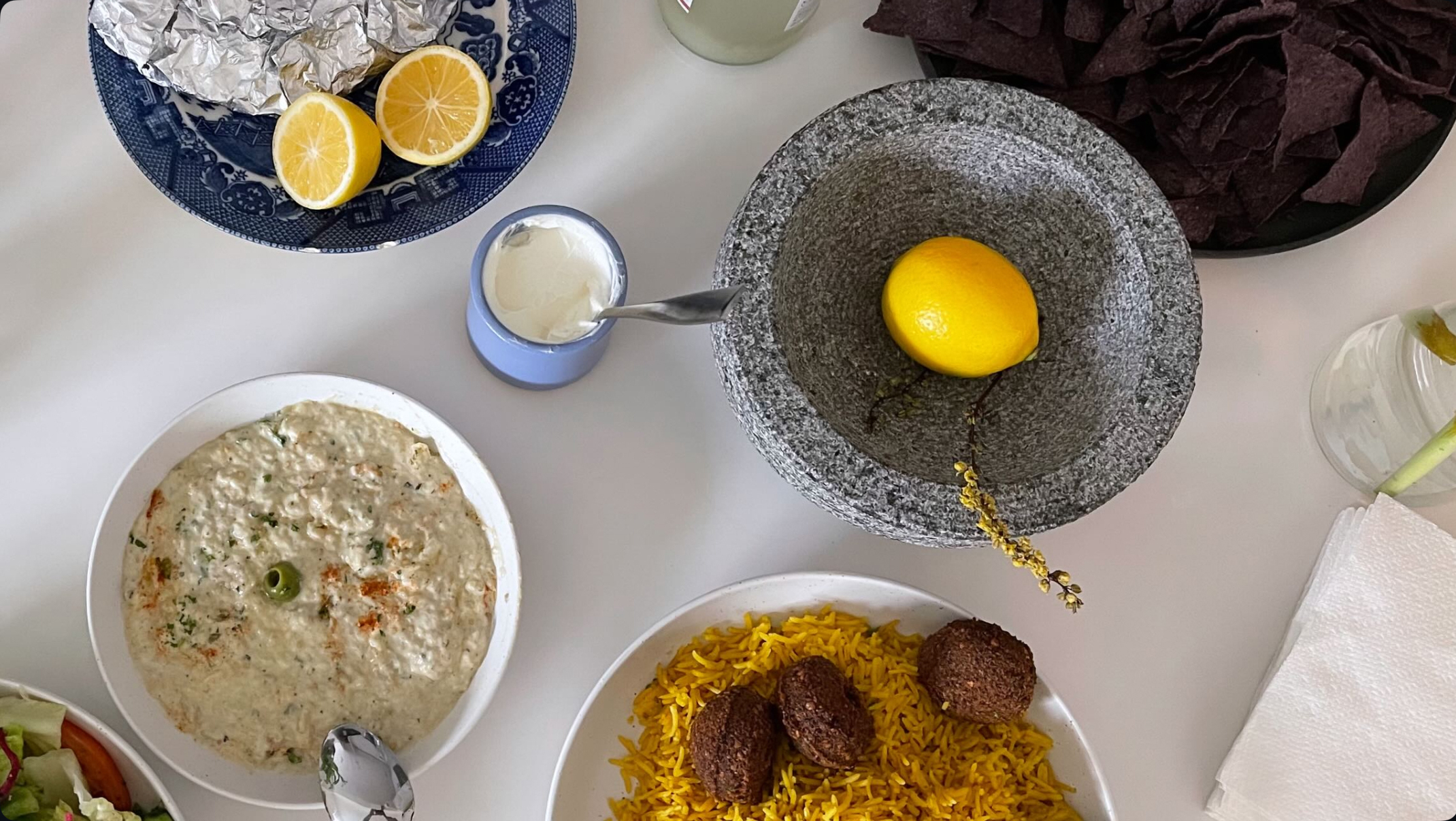
a shared experience grounded in vulnerability, presence, and slow attention. masa showed how atmosphere, story, and human encounter can temporarily interrupt social isolation and create spaces where people feel more connected to themselves and to one another.
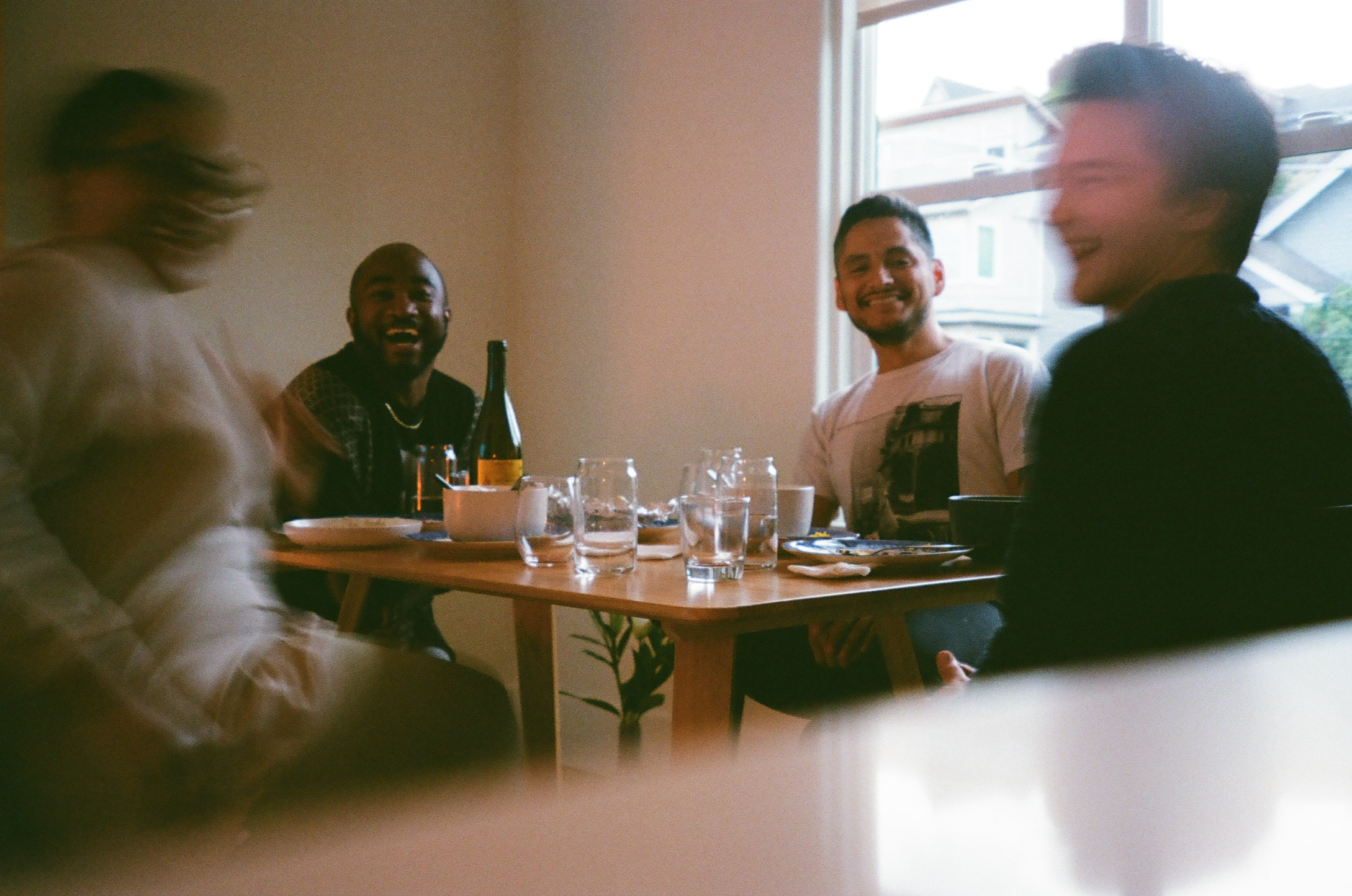
“The whole moment stood out because of the sense of safety yet vulnerability I felt the entire time. Coming together over a meal and drinks to just be real with each other — that felt really good to me.”
“It meant a lot to share a table with people who were eager to share about themselves and to inquire into my life.”
“It was amazing and eye-opening to see the things that can happen when we let our guard down and immerse ourselves in what truly was an extremely safe space.”
graphic design direction + qualitative research coding support: tewelde abraha — developed the visual identity and supported the translation of emotional insights into a coherent graphic system. www.masa.com
the masa method showcases a simple, powerful way to bring people together across their differences and out of isolation. it is based on more than 40 hours of recorded conversations, and with the help of 24 strangers across two different cities.
masa curates intentional physical forums and invites individuals to step outside of their comfort zone through a two-phase experience:
the work is rooted in five guiding principles:
individuals must commit to these guiding principles to participate. loneliness is acknowledged, trust is built, and difference becomes a source of connection rather than division.
this process spans Pittsburgh and Seattle, forming a cross-cultural archive that informs subsequent interventions.
the one-on-one conversation lowered the barrier to participation and created a safe entry point.
many people had social networks but little emotional depth. experiences must support depth, listening, and vulnerability.
participants opened up more to a stranger than to close friends. without identity pressure, truth emerged more freely.
fear and low trust are major barriers. one-on-one introductions mimic trusted bridges and reduce those barriers.
people joined because they wanted to be heard and help others. participation was driven by purpose, not incentives.
meaningful connection happened when people were invited to share, listened without judgement, and embraced vulnerability.
key conditions included: listening, being present, no phones, and treating the moment as a shared experience rather than a debate.
after the one-on-one conversations, people wanted to meet others who had also participated. group settings should center listening, story sharing, and curiosity.
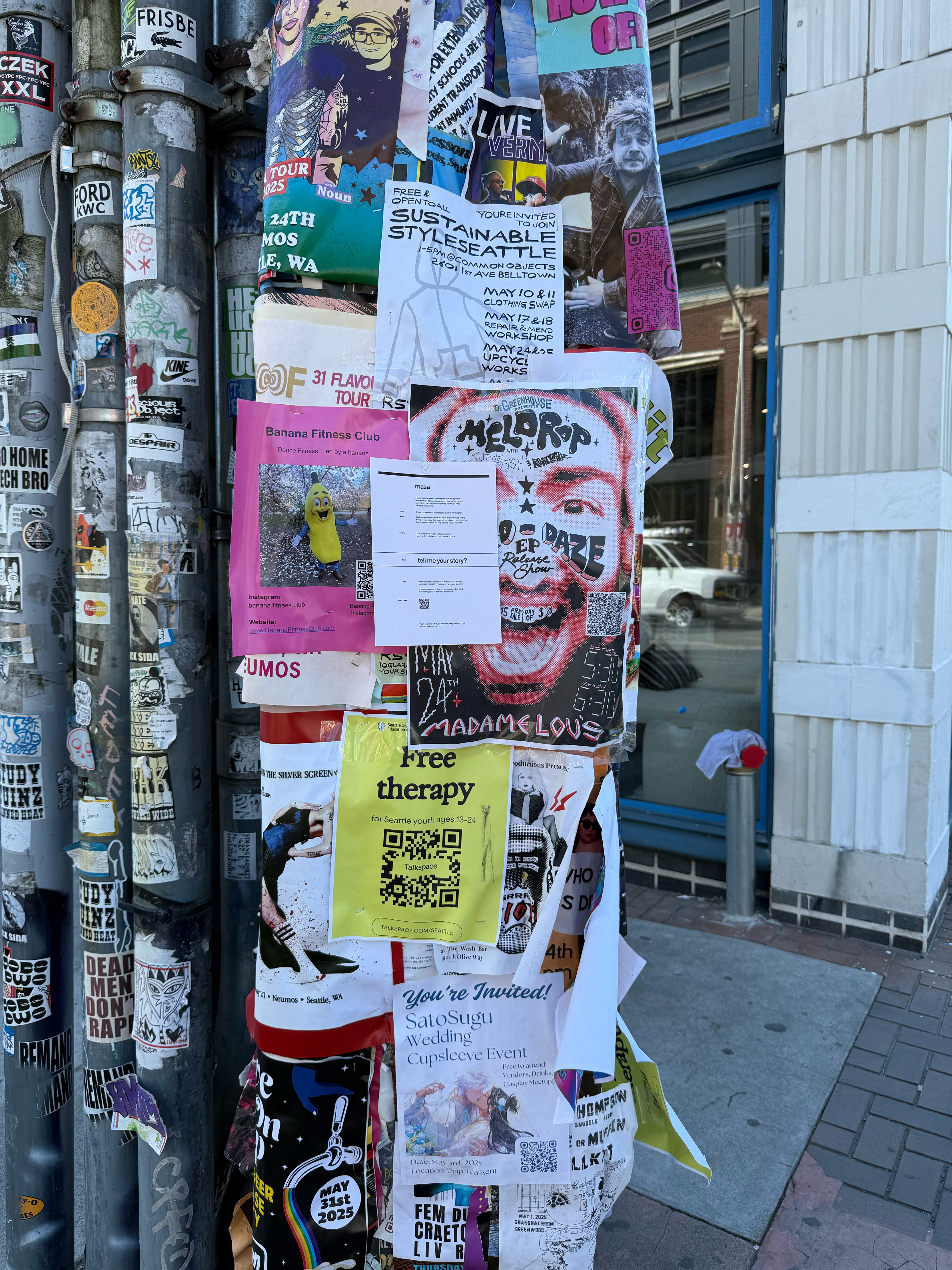
flyers placed on community boards, cafés, and public spaces did not generate participation.
the approach shifted to online recruitment through reddit, which aligned with Seattle’s tech-driven culture and produced stronger engagement.
calendly was used to automate meetup logistics, integrating tech-based tools to match the context.
unlike Pittsburgh, where walking was central, Seattle participants often preferred seated conversations.
some had physical limitations or simply wanted a slower, more reflective dialogue.
settings varied from cafés to parks to indoor community spaces, depending on participants’ comfort.
in the span of two months, eleven people joined voluntarily, without incentives.
their willingness to participate reflects the city’s unmet need for connection.
one-on-one conversations had proven to be the foundation of trust.
repeating the process in a new cultural context allowed the project to include a second layer: inviting participants to co-design what coming together across difference might look like in Seattle.
Seattle Story Walks
Conversations with strangers across the city
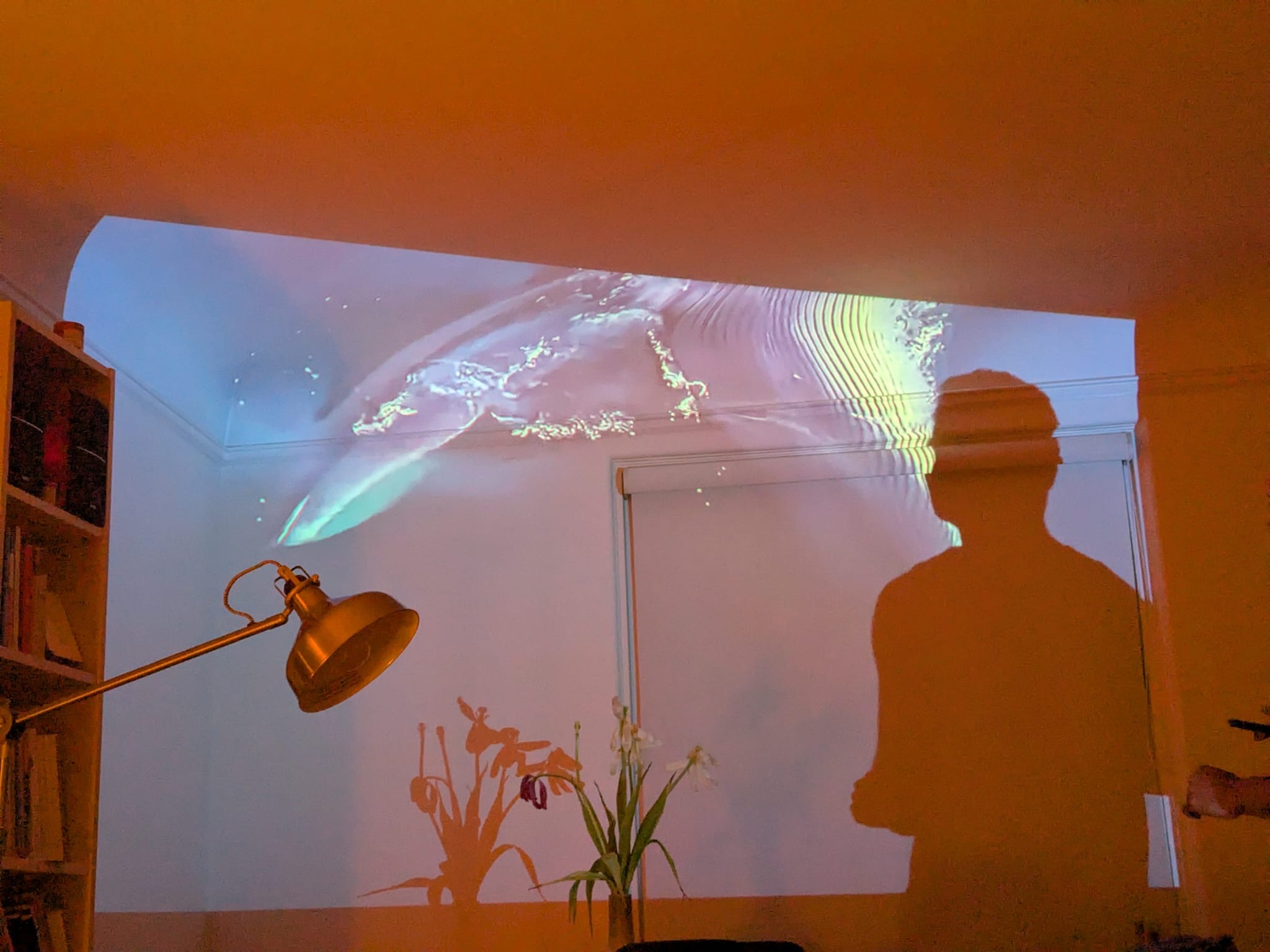
glimpses of the atmosphere, the invitations, and the gathering itself.